







Search Results for: Western Highlands
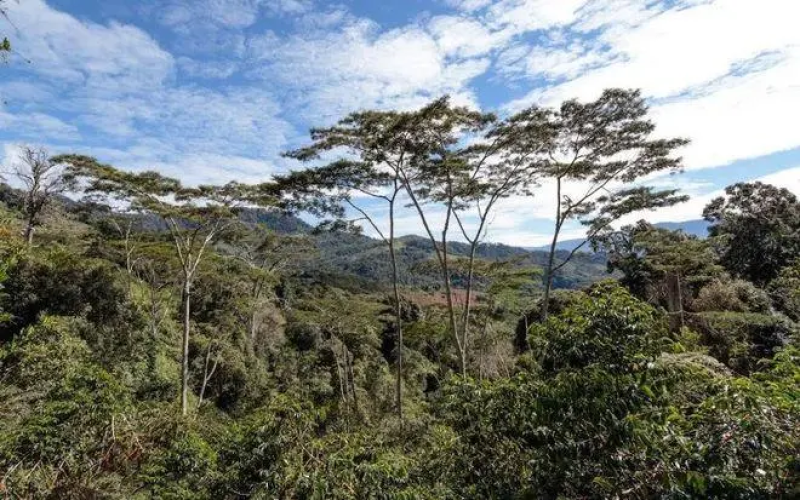
Analysis of the Origin and Flavor of Bird of Paradise Coffee Beans from Sigri Estate, Western Highlands, Papua New Guinea
Coffee produced in Papua New Guinea has long been known as "Little Blue Mountain," and among its origins, the Sigri Estate in Western Highlands Province stands out as a benchmark for the local coffee industry. This article begins with the country's coffee-growing history, tracing the origins of its island climate, volcanic soil, and Typica variety, then focuses on the Western Highlands growing region and the cultivation and processing system of Sigri Estate, and finally introduces the flavor profile and brewing suggestions of Front Street Coffee's this Bird of Paradise coffee bean, giving you a comprehensive understanding of this island coffee that combines richness with fruity acidity. [more…]
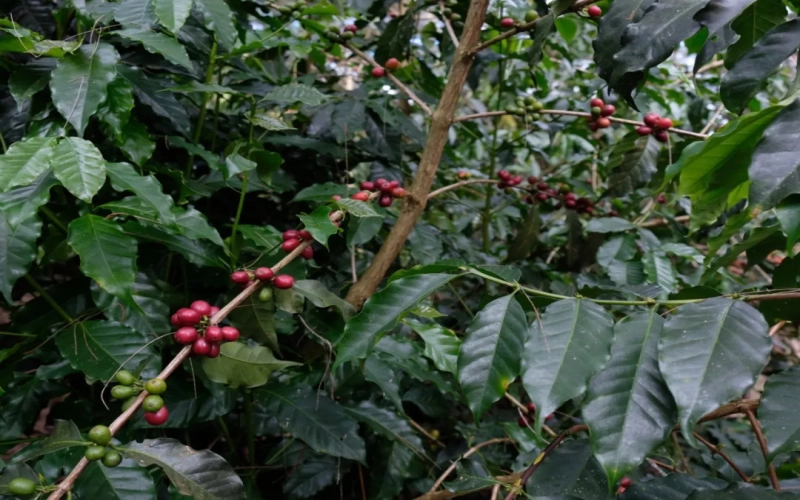
A Complete Analysis of the Bird of Paradise Coffee Beans from Sigri Estate in the Western Highlands of Papua New Guinea
Papua New Guinea is known as "Little Blue Mountain" because it introduced Jamaican Blue Mountain Typica, and its Western Highlands production area is the core of the country's coffee industry. Since its establishment in 1950, Sigri Estate has relied on the volcanic soil and cool climate above 1,500 meters in the Waghi Valley, insisting on pesticide-free cultivation and hand-picking, and since 1957 it has introduced the Blue Mountain Typica variety, using the national bird, the bird of paradise, as its burlap sack mark. This washed Typica launched by Front Street Coffee presents caramel, cocoa, almond notes and citrus acidity after medium-dark roasting, with a mellow and balanced taste. This article will systematically introduce the country's coffee-growing conditions, the terroir advantages of the Western Highlands, and the history and pursuit of quality of Sigri Estate. [more…]
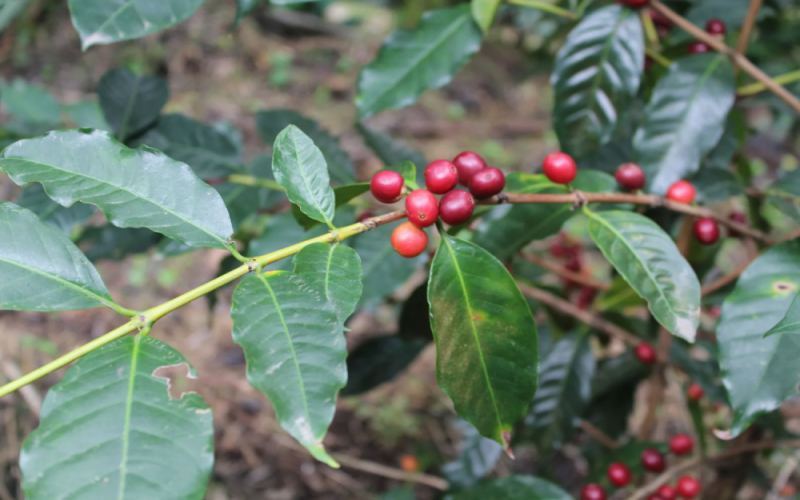
An Analysis of the Development History and Major Producing Regions of Papua New Guinea Coffee: A Full Overview of the Sigri Estate Bird of Paradise Coffee Beans
Papua New Guinea is located in the South Pacific and enjoys a typical island climate and volcanic plateau. Its mountains, at elevations between 1,200 and 2,500 meters, offer natural advantages for growing coffee. Since coffee was introduced at the end of the 19th century, the country has gone through stages including estate establishment, variety introduction, and cooperative transformation. Today, more than 90% of producers are smallholder farmers, and Arabica is overwhelmingly dominant. Five highland provinces make up the main producing regions, among which Sigri Estate in the Western Highlands Province is especially well known. Front Street Coffee has also introduced this estate’s Bird of Paradise coffee beans, which are washed and present a balanced flavor of caramel, cocoa, and almond. [more…]
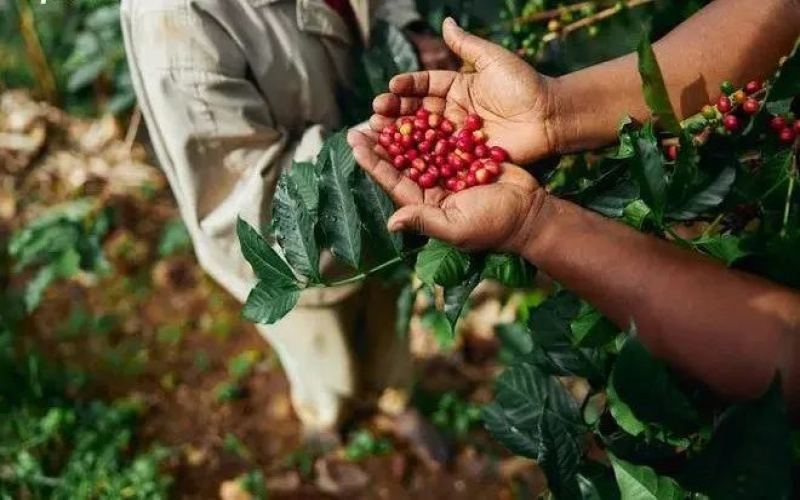
A Complete Guide to Papua New Guinea Coffee Regions: Grading and Flavor from the Highlands to the Bird of Paradise Varieties
Papua New Guinea is an archipelago nation in the southwestern Pacific, with a coffee-growing history dating back to the late 19th century. Today, 95% of its production comes from smallholders, and all of it is Arabica. The country's coffee is mainly distributed across highland regions such as the Eastern Highlands, Western Highlands, Jiwaka, and Chimbu Provinces, with Bourbon, Typica, and Mundo Novo as the primary varieties. The coffee beans from Paradise Bird Estate, which Front Street Coffee has sourced, come from the Western Highlands Province, are washed-processed, and present flavors of caramel, cocoa, and almond. This article will provide a detailed introduction to the altitude, varieties, and flavor characteristics of each producing region, and break down its grading standard based on defect counts, giving you a comprehensive understanding of this coffee-producing country known as the "Little Blue Mountain." [more…]
An In-Depth Analysis of the Variety Characteristics of Papua New Guinea's Coffee Regions and Bird of Paradise Coffee Beans
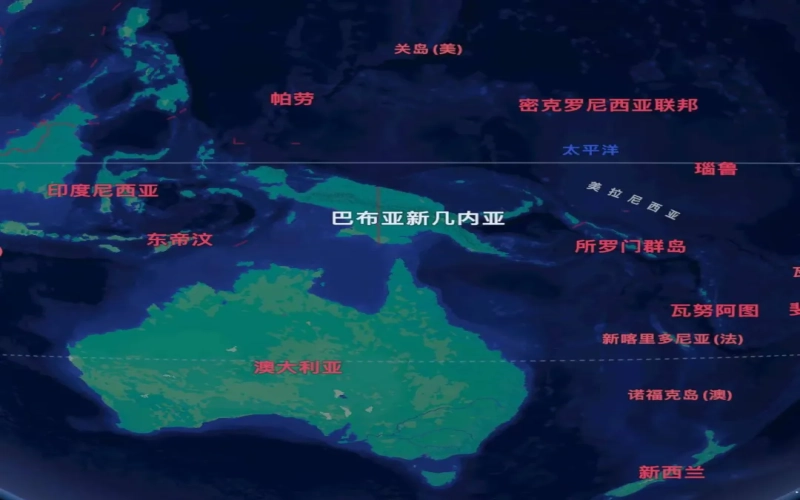
Located in the southwestern Pacific, Papua New Guinea is an island nation made up of over six hundred islands, bordering Indonesia to the west and facing Australia to the south. It boasts high-altitude mountains, volcanic soil, and abundant rainfall, providing exceptional natural conditions for coffee cultivation. Coffee across the country is mainly distributed in four major producing regions: the Western Highlands, Eastern Highlands, Chimbu, and Jiwaka, with the Typica variety standing out in particular, earning the nickname "Little Blue Mountain" for its terroir resembling Jamaica Blue Mountain. The Sigri Estate Bird of Paradise coffee beans brought to you by Front Street Coffee are a quintessential example of washed Typica from this region, offering a balanced flavor of caramel, cocoa, and almond under a medium-dark roast, with a soft citrus-like acidity emerging as the coffee cools. [more…]
Papua New Guinea Coffee: Why Is It Called the "Little Blue Mountain"? A Full Breakdown of Flavor Characteristics and Producing Regions
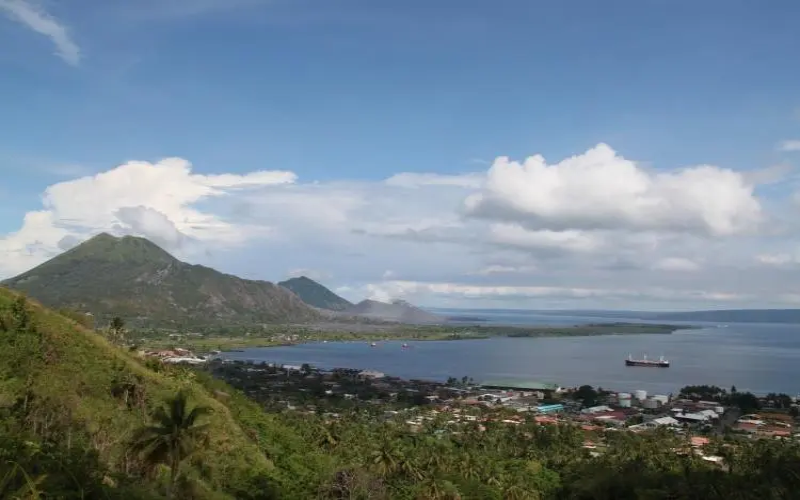
Jamaican Blue Mountain coffee earned the reputation of "Coffee Emperor" as early as the last century thanks to its exceptional quality and distinctive flavor. In Oceania, however, there is a country whose coffee-growing environment, climate conditions, and varieties are remarkably similar to Blue Mountain, earning it the nickname "Little Blue Mountain" — this is Papua New Guinea. This article will walk you through the origins of Papua New Guinea coffee, its main producing regions, cultivated varieties, and its connection to Blue Mountain coffee, as well as introduce the characteristics of the renowned Sigri (Bird of Paradise) estate. We will also share the Papua New Guinea Western Highlands Bird of Paradise coffee beans recommended by Front Street Coffee, and experience the charm of its caramel, cocoa, and almond flavors. [more…]
Papua New Guinea Kimel Estate: Terroir and Heritage of Oceania's "Little Blue Mountain" Coffee Region
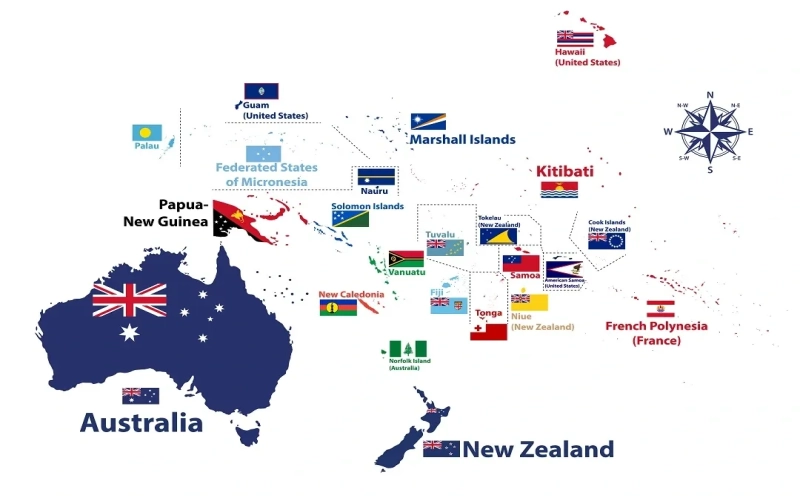
Although Oceania is the smallest continent by land area, its unique volcanic island terrain and diverse climate have given rise to Papua New Guinea coffee, known as the "Little Blue Mountain." From trial plantings in the late 19th century, to the introduction of Typica from Jamaica's Blue Mountain in 1931, and then to the unexpected development opportunity brought by Brazil's frost in 1975, Papua New Guinea coffee gradually moved toward scale and specialty production. This article focuses on the five highland provinces in the central region, with particular attention to the Kimel Estate in the Eastern Highlands Province—a private cooperative owned by smallholder farmers of the Opais people, equipped with a washed-processing facility and stable quality control, combining terroir advantages with cultural character. At the same time, the article also mentions the Sigri Estate Bird of Paradise coffee beans recommended by Front Street Coffee, offering a flavor reference for coffee enthusiasts. [more…]
Terroir Characteristics of Papua New Guinea Coffee Regions and an Analysis of Sigri Bird of Paradise Estate
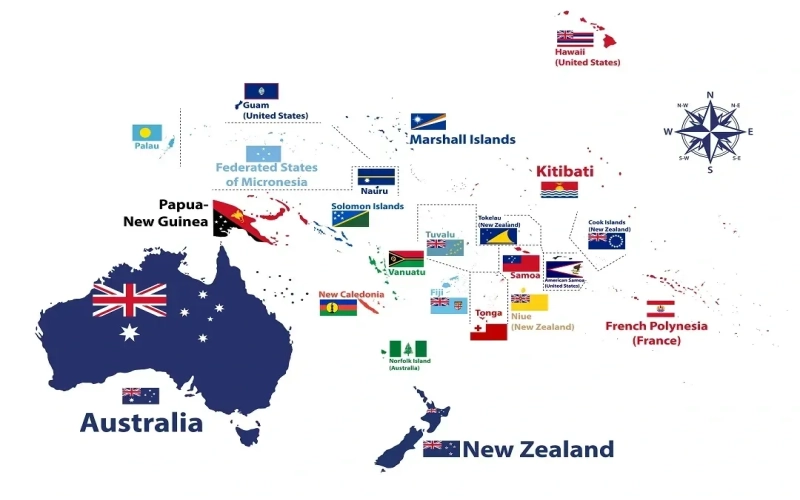
Papua New Guinea is located in Oceania, where widespread volcanic terrain, a high-altitude mountain climate, and fertile volcanic soil provide ideal conditions for coffee cultivation. Since coffee was introduced to the country in the late 19th century, it once imported Typica from Jamaica and, because of the similar environment, came to be known as "Little Blue Mountain." Today, coffee is mainly produced in the four major highland provinces of the central region, and the Sigri Bird of Paradise Estate in Western Highlands Province is a representative estate. Front Street Coffee also selects washed Typica beans from this producing region, whose flavor presents caramel, cocoa, and almond, with a rich and balanced mouthfeel, distinguishing it from the spicy and herbal tonalities of Indonesian coffee. [more…]
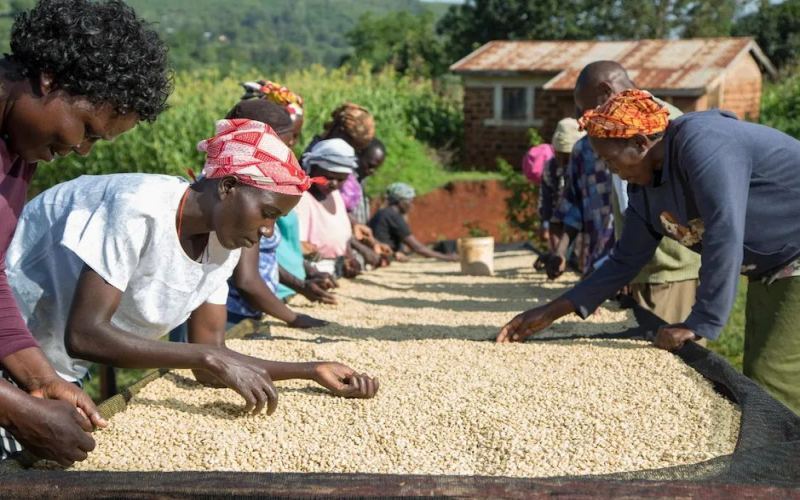
How are Kenya's coffee-growing regions divided? What makes the producing area at the foot of Mount Elgon in the west unique?
Kenyan coffee is renowned in the specialty coffee world for its layered fruity aromas and full, juicy body. This country in eastern Africa, with its high-altitude mountains, volcanic soil, and tropical monsoon climate, provides exceptional natural conditions for coffee cultivation. Kenya's coffee-growing regions are mainly divided into three major blocks: the Central Region, the East African Rift Valley Region, and the Western Region. Among them, the Western Region is represented by three major producing areas—Elgon, Trans-Nzoia, and Bungoma—at the foot of Mount Elgon, whose coffees feature bright acidity, citrus fruit flavors, and a rich body. This article will guide you through the overall distribution of Kenya's coffee-producing regions and take a closer look at the terroir characteristics of the Western Region. [more…]

A Complete Guide to Kenyan Coffee Flavors and Grading System: From the East African Highlands to the Thika Region
Kenya, as an important coffee-producing country in East Africa, is renowned for its multi-layered flavors and bright, juicy acidity. This article starts with the terrain and climatic conditions of the African highlands, sorts out the three major coffee-growing regions in Kenya, focuses on the geographical advantages of the central producing region Thika and the distribution of processing plants, and explains in detail Kenya's official green bean grading system AA+, AA, AB, PB, C, E, TT, and T, as well as the TOP, PLUS, and FAQ cupping grades added by exporters. The article also presents the flavor description of Front Street Coffee's coffee beans from the Asalia processing plant in the Thika producing region, helping coffee enthusiasts gain a comprehensive understanding of the unique charm of Kenyan coffee. [more…]
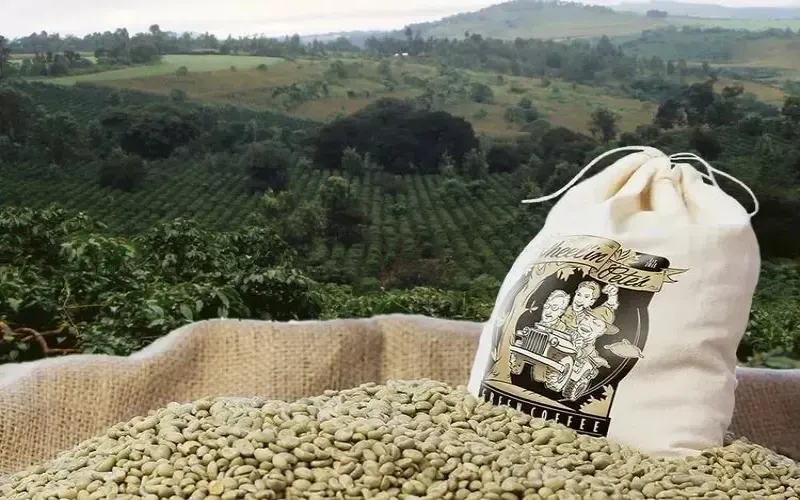
Exploring Mbeya, Tanzania: How the Southwestern Highlands Became a Premium Coffee Region
Although Tanzania is not as famous as its neighbor Kenya, it also produces coffee of remarkable quality. From the introduction of coffee trees during the German colonial period to the southward shift of the industry's focus after independence, this East African country, with its high altitude, volcanic soil, and abundant water, has given rise to several distinctive producing regions. Among them, Mbeya in the southwest is gradually attracting attention. Not only does it have cool highlands suitable for coffee cultivation, but it is also home to the Aing'e Agricultural Marketing Cooperative, known for its democratic management. This article will guide you through the evolution of Tanzanian coffee and take a deeper look at the Mbeya producing region to see how it became an agricultural trade center in the country's southwest. [more…]
Papua New Guinea Bird of Paradise Coffee: The "Little Blue Mountain" Flavor of the Typica Variety and a Brewing Guide
Papua New Guinea is hailed as a "Little Blue Mountain" producing region; its Typica variety originates from Jamaican Blue Mountain, and combined with an island-type highland growing environment, it displays a unique flavor balancing bright acidity with floral and fruity aromas. Starting from Front Street Coffee's sourcing practice, this article systematically reviews the country's producing regions, cultivation models, historical development, and grading system, with a focus on the terroir characteristics of Sigri Bird of Paradise Estate and Kimel Estate, and includes Front Street's roasting curves, cupping comparisons, and three-pour hand-brewing parameters. If you want to understand this island coffee that carries Blue Mountain lineage yet shows more pronounced fruity acidity, this article provides a complete knowledge framework and practical reference. [more…]
A Detailed Guide to the Altitude, Processing Methods, and Pour-Over Parameters of Coffee Grown in the San Agustín Region of Colombia's Huila Highlands
Colombia, as the world's third-largest coffee producer, has in its Huila Department's San Agustín growing region—thanks to its unique high-altitude canyon terrain and micro-lot production model—nurtured specialty coffee with richly layered flavors. This article provides a detailed introduction to the growing conditions, processing methods, and flavor characteristics of this region, and offers suggested brewing parameters for pour-over, French press, AeroPress, and more, helping coffee enthusiasts fully bring out this bean's lemon, caramel, and nutty sweet aromas. [more…]
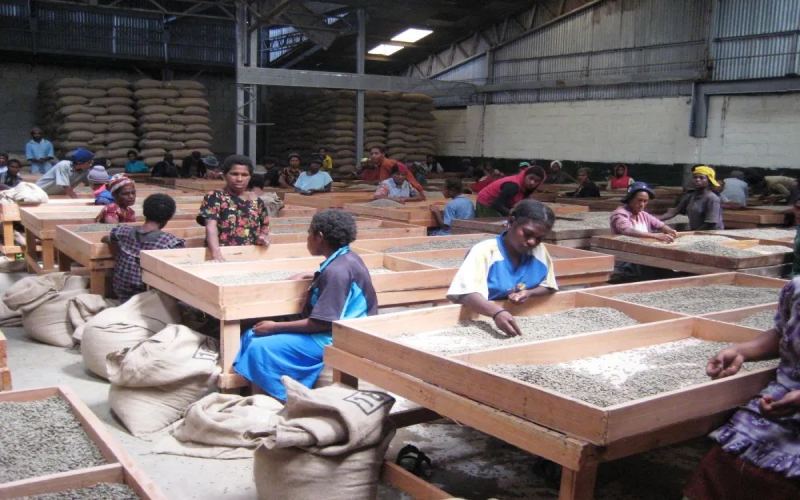
Oceanian Coffee Beans | How Are Papua New Guinea Coffee Beans Graded? What Flavor Characteristics Does the Sigri Estate Bird of Paradise Coffee Have?
You may not be very familiar with Papua New Guinea as a coffee origin, but Front Street Coffee believes that Front Street Papua New Guinea coffee stands out uniquely among the many coffees. Papua New Guinea is located in the southwestern Pacific, along the Pacific Ring of Fire, and is part of a volcanic geological zone with fertile volcanic soil, making it [more…]
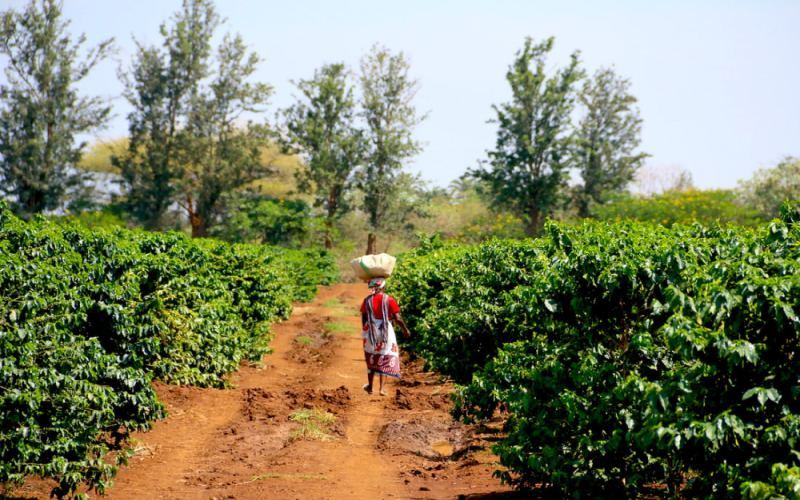
Tanzania Coffee Growing Regions and Flavor Profiles: A Comprehensive Analysis from Kilimanjaro to the Southern Highlands
Although Tanzania is less famous than Ethiopia and Kenya, it ranks among Africa's three major coffee giants thanks to its unique terroir. This article systematically reviews the geographical distribution, historical context, and industry status of Tanzanian coffee, with a focus on the growing environment and coffee flavors of core producing regions such as Kilimanjaro. It also combines Front Street Coffee's Tanzanian Kilimanjaro coffee beans to analyze the soft acidity, citrus, berry, honey, and nut flavors, as well as the balanced tea-like mouthfeel brought by its Typica variety and washed processing, helping coffee lovers gain a comprehensive understanding of the coffee charm of this East African producing country. [more…]

Papua New Guinea Bird of Paradise Coffee: Analysis of the Fruity Acidity, Jasmine Aroma of the Typica Variety, and the Flavor of Sigri Estate
Papua New Guinea coffee is called "Little Blue Mountain" because it was introduced from Jamaica Blue Mountain Typica, yet its flavor has a dark fruity sweet-and-sour note different from Blue Mountain. This year Front Street Coffee has selected the Bird of Paradise coffee from Sigri Estate to help you understand this country's coffee cultivation model, main producing regions, and processing methods. Bird of Paradise Estate is located in the Waghi Valley of the Western Highlands Province, at an altitude of about 1,500 meters, with volcanic soil and a cool climate, insisting on hand-picking fully ripe cherries and the washed fermentation process, creating bright fruit acidity and a delicate jasmine aroma. This article, based on Front Street's cupping and brewing experience, provides a comprehensive analysis of this coffee's origin background, variety lineage, and flavor characteristics. [more…]
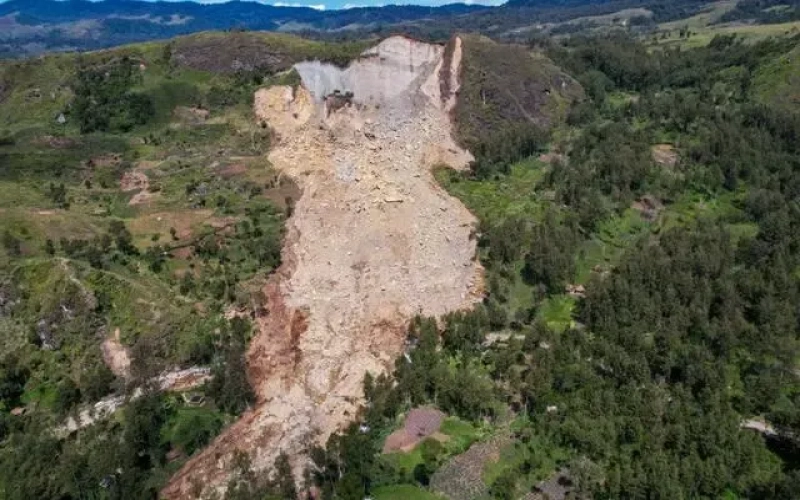
A massive landslide in Enga Province, Papua New Guinea, has buried more than two thousand people, dealing a severe blow to the coffee harvest season.
Recently, the Oceanian nation of Papua New Guinea has been hit by a series of severe natural disasters. A massive landslide occurred in the early hours of the 24th in the Mulitaka area of Enga Province in the north, burying more than 2,000 people, with the death toll now exceeding 670. Months of heavy rainfall that loosened the soil was the main cause of the disaster. The disaster area, Mount Enga, is adjacent to the Western Highlands Province, Papua New Guinea's core coffee-producing region, where coffee is mostly grown in the Waghi Valley. As the coffee harvest season is currently underway, emergency evacuations have left the coffee cherries unpicked, and production is certain to be affected. At least 15 landslides had already occurred in the country previously, and the coffee-producing region of Chimbu Province in the central region was also affected. Several countries have dispatched rescue teams to assist with search and rescue efforts. [more…]
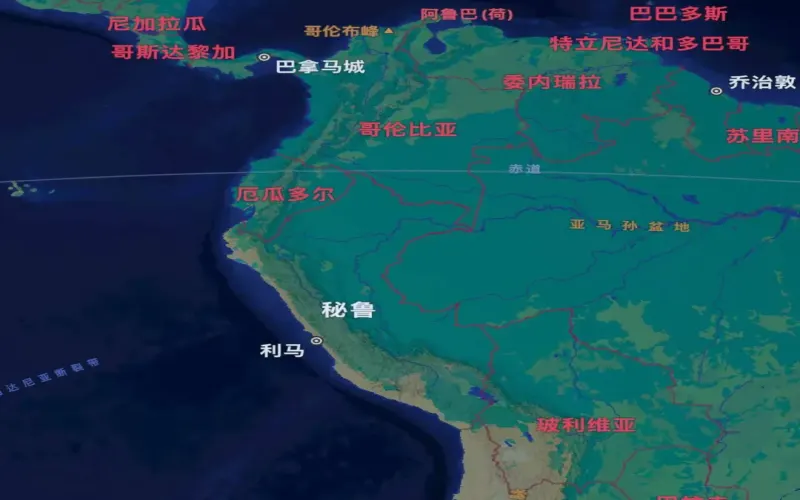
The Terroir Conditions and Flavor Characteristics of Peruvian Coffee Regions: Specialty Coffee on the South American Highlands
In South America, the exceptional soil and growing environment have nurtured numerous coffee-producing countries. Colombia, Ecuador, Brazil, and others are renowned worldwide, while Peru, though low-key, also produces high-quality coffee beans thanks to its excellent mountains, rivers, and soil conditions. This article will guide you through Peru's geographical and climatic features and analyze one by one the cultivation overview and flavor profiles of its three major coffee regions—north, central, and south—so you can experience this South American country's unique charm in the coffee world. [more…]
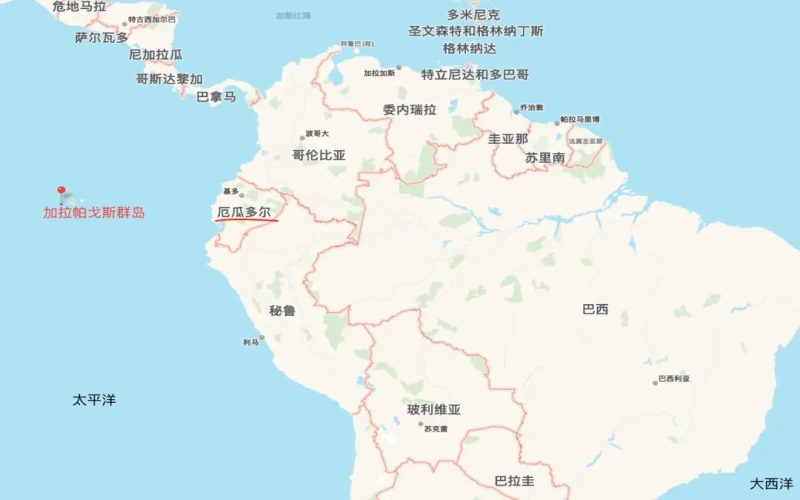
Ecuador Coffee Overview: An Analysis of Producing Regions, Cultivated Varieties, and Processing Methods in the Andes
On the South American coffee belt, besides well-known producing countries like Brazil and Colombia, Ecuador also produces surprisingly good coffee. This country, bisected by the equator, nurtures Arabica beans with a balanced profile of acidity, sweetness, and bitterness thanks to the high-altitude volcanic soils and diverse microclimates of the Andes. From the northern highlands to Loja Province in the south, from Pichincha's Sidra to the organic Bourbon of the Galápagos Islands, Ecuadorian coffee is steadily moving toward specialty status. This article will guide you through the distribution of the country's coffee-growing regions, the main cultivated varieties, and the evolution of processing from traditional natural to modern washed methods, along with Front Street Coffee's recommended perspective. [more…]

Papua New Guinea Sigri Estate Bird of Paradise Coffee: Variety Origins, Flavor Characteristics, and Front Street Brewing Notes
Papua New Guinea coffee is often called "Little Blue Mountain," a name closely tied to its introduction of the Jamaican Typica variety and its similar island growing conditions. This year, Front Street Coffee has selected Bird of Paradise coffee from the Sigri Estate in Western Highlands Province. Established in 1950, the estate sits in the Waghi Valley at elevations above about 1,500 meters, with volcanic soil and a cool climate, and it insists on pesticide-free cultivation and hand-picking. This article will provide a complete analysis of the flavor performance of this Front Street Papua New Guinea Bird of Paradise coffee—from the background of the origin, the source of the variety, the story of the estate, the appearance of the green beans, and the roasting curve to a staged brewing plan—featuring nut and cocoa notes as the main profile, accompanied by a soft berry sweetness, a rich and balanced mouthfeel, and gentle acidity. [more…]